Healthcare cybersecurity that answers at 2 AM.
Ransomware doesn’t keep office hours. Phoenix IT pairs 24/7 managed detection and response with identity, email, and backup defenses built for private healthcare practices — dental, eye care, and veterinary.
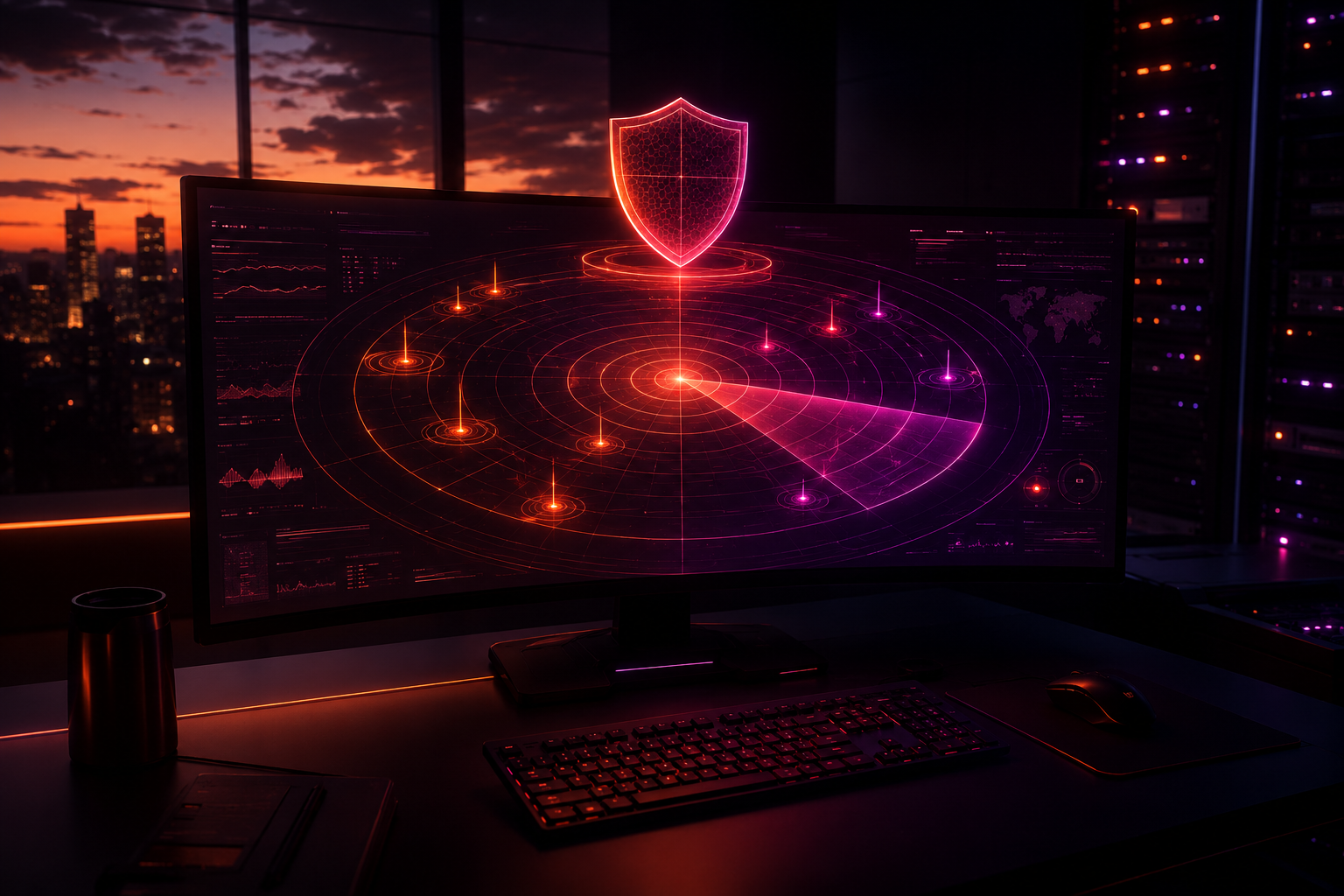
A breach closes the practice. Recovery keeps it open.
For a healthcare practice, a cyber incident isn’t an IT problem — it’s days of cancelled patients, breach-notification duties, and a trust problem with every family on your schedule. The practices that survive attacks aren’t the lucky ones; they’re the ones where detection was fast, damage was contained, and backups were clean.
Staff click a convincing phishing email about once a month.
AI-based email filtering catches most of it; simulated phishing and annual training teach your team to catch the rest. Bad links are blocked at the network.
A vendor’s remote-access tool is a wide-open back door.
We inventory every remote access path, close what isn’t needed, and put MFA and monitoring on what is.
Stolen passwords are for sale before you know they leaked.
Dark-web credential monitoring alerts us when a staff login appears in a breach — we reset it before anyone can use it.
Layered defense, managed for you.
- Endpoint detection on every computer & server
- Live Security Operations Center — humans, always on
- Automatic isolation of compromised devices
- Multi-factor authentication everywhere
- Conditional access — right person, right device
- Dark-web credential monitoring
- AI phishing & bad-link blocking
- Encrypted cloud email
- Impersonation & invoice-fraud detection
- Vulnerability scanning & prioritized fixes
- Patch management, monitored & verified
- External attack-surface checks on your domain
- Annual security & HIPAA awareness training
- Simulated phishing with coaching, not blame
- Plain-language security policies
- Immutable, ransomware-proof backups
- Restore testing — recovery that’s proven
- Written incident response plan, drilled
When minutes matter, the plan is already written.
Detection & isolation
The SOC spots attack behavior and isolates the device automatically — the attack can’t spread to the next operatory or exam lane.
A human calls you
Our incident team briefs you in plain language: what happened, what’s contained, what happens next. No jargon, no panic.
Containment & recovery
Clean systems verified, credentials rotated, and restoration from immutable backups begins — prioritized so patient care resumes first.
Root cause & hardening
Written summary of how it got in, what we changed, and documentation for insurers, regulators, and your own peace of mind.
With our previous IT provider, Anatomy IT, we watched support quality slide year after year — unresolved tickets, frustrating interactions. Switching to Nicole and Phoenix IT was a no-brainer. Someone answers on the first call, issues get resolved fast, and she proactively recommends projects that make our network more secure and reliable — at quotes far lower than we used to pay. One of her recommendations literally saved our clinic when we were targeted by a phishing scam. I’d make the switch again tomorrow.

Honest answers about healthcare security.
What does “managed detection and response” actually mean?
Software on every computer watches for attack behavior 24/7, and a live Security Operations Center investigates alerts and isolates compromised devices in minutes — nights, weekends, and holidays included. It’s the difference between an alarm and a guard.
We’re a small practice. Are we really a target?
Yes — precisely because you’re small. Patient records are among the most valuable data criminals can steal, and small practices are assumed to have weak defenses and vendors with remote access. Attacks are automated; nobody is too small to be found.
Can you guarantee we won’t be breached?
No one honestly can, and you should be wary of anyone who says otherwise. What we can do is layer defenses so an attack is caught early, contained fast, and recoverable — our clients have never paid a ransom.
Do you work alongside our existing IT person or provider?
We can. Some practices keep day-to-day IT in place and bring us in for the security layer — monitoring, response, email protection, and training. Many later consolidate; that’s up to you.
What happens in the first hour if something gets through?
The affected device is isolated automatically, our incident team engages, and you get a call from a human with a plan — containment, investigation, and restoration from clean backups. We drill this so it’s routine, not panic.
How does this relate to HIPAA?
The HIPAA Security Rule expects reasonable safeguards for patient data — much of what’s on this page maps directly to it. See our HIPAA IT compliance support for the documentation side.
Find out where you stand — in ten minutes.
The free cybersecurity assessment checks your identity, email, backup, and external footprint against what attackers actually try. No scanning of your network, no obligation — just a clear picture.
Cybersecurity guides, in plain language.
The First-Hour Ransomware Response Guide
A printable, minute-by-minute plan for the hour after you see the note — who to call, what to unplug, and what not to touch.
Read the guide →Why MFA Alone Is Not Enough
MFA stops password reuse, not phishing kits, token theft, or a compromised vendor. What layered defense means for a small practice.
Read the guide →HIPAA Risk Assessment vs. IT Assessment
They sound alike and get confused constantly. What each covers, which one regulators expect, and why you likely need both.
Read the guide →Related services
From the resource library
Next step
See where your practice stands in ten minutes — no scanning, no obligation.
Take the cybersecurity assessmentTalk with a healthcare IT specialist